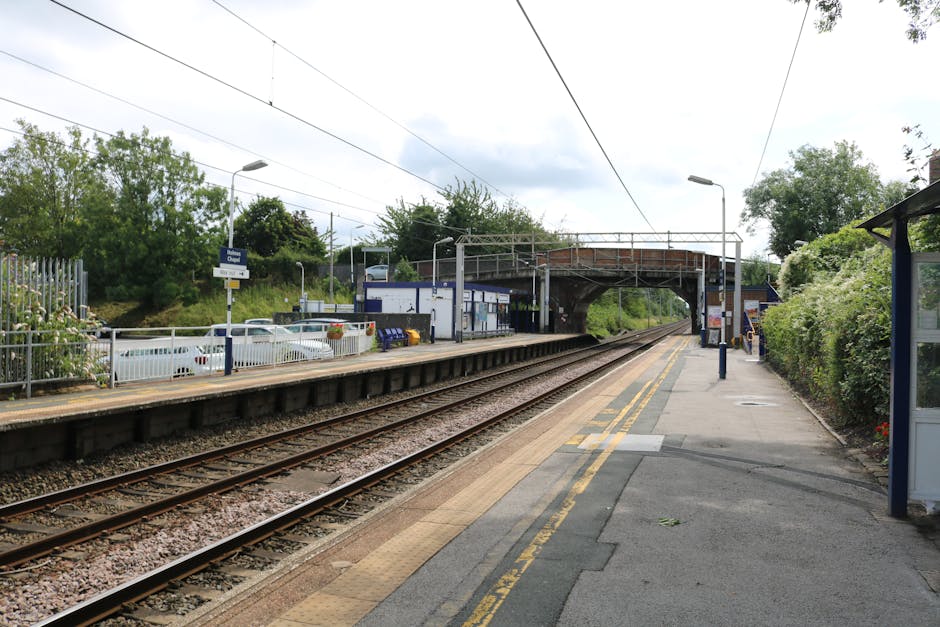
St Mary Cray Station pick-ups: Where vans can load
Posted on 14/05/2026
If you are arranging a station collection and wondering about St Mary Cray Station pick-ups: Where vans can load, you are not alone. It sounds simple enough, but anyone who has tried to meet a driver near a busy station knows the reality can be a bit fiddly. Traffic builds, pedestrians cross without warning, and the best loading spot is not always the one that looks obvious from the pavement.
This guide breaks down how van pick-ups around St Mary Cray Station work in practice, where loading usually makes sense, what to avoid, and how to plan a smoother collection without turning a quick job into a stressful one. Whether you are moving a few boxes, collecting furniture, or arranging a same-day handover, the goal is the same: make the pick-up safe, legal where possible, and efficient.
To keep things practical, we will cover local access issues, loading habits near stations, what passengers and drivers should agree before arrival, and the small decisions that save time on the day. Truth be told, the difference between a calm pick-up and a messy one is often just a little planning.
Why St Mary Cray Station pick-ups: Where vans can load Matters
Station pick-ups are a small part of moving, but they carry a lot of risk if they are handled casually. At a place like St Mary Cray Station, the main challenge is not the loading itself. It is finding a sensible stopping point that does not block traffic, upset pedestrians, or leave the driver rushing while the passenger is still coming through the gates.
For van drivers, a good loading point reduces idling time and helps keep the vehicle safely out of the way. For customers, it means less carrying distance, fewer awkward lifts, and a lower chance of damage to boxes, furniture, or personal items. If you are moving heavier pieces, the wrong pick-up point can turn a straightforward job into a long, awkward shuffle.
There is also a trust element here. A well-planned collection feels organised from the start. You know where to meet, how long it will take, and what to expect if the station entrance is busy. That matters for both one-off passengers and regular moving work. It is one reason local services like man with a van in St Mary Cray are often asked to work around station access with a flexible approach.
And let's face it, nobody wants the end of a move to be delayed because the van had nowhere sensible to pause. A clear plan avoids that awkward last-minute phone call: "I'm here, but where exactly do I stop?"
How St Mary Cray Station pick-ups: Where vans can load Works
In practical terms, a station pick-up usually works best when the driver and passenger agree a meeting point before arrival. The best location is often the nearest safe, legal stopping point with enough room for quick loading. That might be a lay-by, a side road, a marked loading area, or a nearby street with easier access than the station frontage itself.
The station entrance is not always the right place. Busy forecourts can have restrictions, tight turning space, or constant foot traffic. Vans need more room than a car, and even a short stop can create problems if it is in the wrong spot. In our experience, the smartest approach is usually to think in terms of short walking distance plus safe stopping space, rather than trying to stop directly outside the entrance.
For many collections, the van driver will arrive a few minutes early, check the surroundings, and confirm the meeting point by phone or text. That extra minute matters. If the area is crowded, the driver may need to pull into an alternative nearby road and guide the passenger over. It is not glamorous, but it works.
If your pick-up involves furniture, boxes, or a full home move, planning around the station is only one piece of the puzzle. A broader moving plan usually helps. Pages like removals in St Mary Cray, removal services, and man and van support are useful if your station collection is part of a bigger move.
Key Benefits and Practical Advantages
Getting the loading point right brings more benefits than most people expect. It is not just about convenience; it affects timing, safety, and the condition of the items being moved.
- Less carrying distance: Helpful when you have boxes, suitcases, or heavy items to load quickly.
- Fewer delays: A clear meeting point avoids wandering around the station looking for one another.
- Better safety: Vans stop where they are less likely to conflict with pedestrians or other vehicles.
- Reduced damage risk: Shorter carries often mean fewer knocks, drops, and scuffs.
- Lower stress: The whole thing feels more controlled, especially if you are working to a train arrival time.
There is also a practical money angle. The faster and smoother the collection, the less time is spent waiting around. That can be especially helpful for those comparing options through pricing and quotes or trying to make the most of a booked time slot.
Another quiet benefit is that good station planning helps if your move continues elsewhere. For example, if you are going from the station pick-up straight to a flat or student accommodation, a smooth start often sets the tone for the rest of the day. Small win, but still a win.
Who This Is For and When It Makes Sense
This kind of planning is useful for quite a few people, not just those moving house. The most common situations include:
- students arriving by train and meeting a van with their belongings
- people collecting furniture or parcels from a station-adjacent handover
- small moves where the train is part of a longer journey
- flat moves with limited parking at the destination
- same-day or short-notice collections that need a reliable handover point
It also makes sense for anyone with bulky items. Think mattresses, boxed kitchen contents, office equipment, or that one wardrobe section that looks manageable until you try to lift it. If the items are awkward, nearby access matters more than ever.
For student moves in particular, a clear station plan saves a lot of hassle. If you are arriving with luggage, maybe a desk lamp, bags, and a couple of storage boxes, you do not want to be explaining the loading spot while holding a backpack and a coffee. The service student removals in St Mary Cray is especially relevant here.
If you are not sure whether your move is too small or too complex, the answer is usually somewhere in the middle. That is exactly where van services tend to fit well.
Step-by-Step Guidance
Below is a simple way to organise a station pick-up without overthinking it.
- Confirm the exact collection point. Do not rely on "near the station." Pick a visible landmark, entrance, side street, or nearby safe stopping spot.
- Check the size of the load. A few bags is very different from a bed frame or a stack of boxes. Be honest about dimensions.
- Allow time for the walk. If the van cannot stop right outside, give yourself a buffer for the last stretch on foot.
- Send a live contact number. This helps the driver call if the area is busy or if the meeting point needs adjusting.
- Keep the load ready. Have items grouped and labelled so you are not sorting them in the road. That never ends well.
- Load quickly and safely. Transfer the items in a sensible order, with heavy items first only if the vehicle layout allows it.
- Check the vehicle before leaving. It sounds obvious, but lost umbrellas, chargers, and documents do happen.
If the items are boxed and you are still packing the night before, it can help to read these packing insights and the practical advice on packing and boxes in St Mary Cray. A tidy pack-up makes the station handover much easier.
A good rule of thumb? The more awkward the item, the more important the pre-arrangement becomes. No heroics needed.
Expert Tips for Better Results
Here are the small details that often separate a decent collection from a smooth one.
Use the shortest safe carry route, not the most convenient-looking one
Sometimes the nearest stop is technically nearby but awkward to walk from, especially if there are steps, barriers, or fast-moving traffic. A slightly longer but simpler route can actually save time.
Keep the van loading sequence simple
If several items are involved, load the items you want immediately accessible last, not first. That avoids unnecessary reshuffling later. It sounds minor, but it helps. A lot.
Match item type to the right transport plan
Bulky sofas, pianos, and mattresses each need a different approach. For delicate or oversized furniture, specialist handling may be the better option. Relevant reading includes furniture removals in St Mary Cray, piano removals, and this guide to moving a mattress and bed.
Protect items before they reach the van
Rain, commuter traffic, and narrow pavements are not kind to cardboard corners. Wrapping, labels, and proper packing help a lot, especially if the collection is not from a ground-floor home.
Plan for the unexpected delay
A train might be late. A road might be busier than expected. The station forecourt might be full. Build in a little breathing room so the entire plan does not wobble if one thing changes.
For heavy items, it can also help to think about lifting technique. We are not talking gym language for the sake of it. Good lifting is good lifting, and the basics from this guide to kinetic lifting translate nicely into moving day habits. Keep the load close, avoid twisting, and do not rush the awkward turn.
One slightly nerdy tip, but a useful one: if you know the van will need a quick load, separate the items in the order they will be handed over. Saves the "hang on, where did the cable box go?" moment. We have all seen that moment.
![The image shows a symmetrical concrete staircase and escalator leading up from an underground station at St Mary Cray. The stairs are divided by a central column with safety signage, including no-smoking and no-alcohol symbols. On each side of the escalator, there are smooth, angled concrete walls with integrated modern wall-mounted lights providing illumination. Overhead, fluorescent strip lighting runs along the ceiling, highlighting the utilitarian design of the station's interior. The environment appears clean and well-maintained, emphasizing the functional layout of the station. This setting exemplifies a typical urban transit environment where individuals may transfer to and from station exits, supporting logistical considerations for house removals and furniture transport arranged with [COMPANY_NAME], such as loading and unloading within station areas during home relocation or moving processes.](/pub/blogphoto/st-mary-cray-station-pickups-where-vans-can-load2.jpg)
Common Mistakes to Avoid
Most problems around station pick-ups come from a handful of predictable mistakes. They are easy to make, especially if you are in a hurry.
- Assuming the station frontage is always the best loading point. It often is not.
- Not confirming the exact meeting spot. "Outside the station" is vague and can mean three different places.
- Leaving heavy lifting until the last second. This increases strain and slows everything down.
- Using boxes that are too full or too flimsy. That is how handles tear and corners collapse.
- Forgetting weather protection. A five-minute drizzle can still ruin paper items or soft furnishings.
- Not checking parking or loading restrictions nearby. Local rules and signage matter, even for quick stops.
Another common issue is underestimating how long a transfer really takes. A van loading point that seems "just round the corner" can become a 10-minute detour if the safest route is not direct. If you are arranging a full move, this timing mismatch can spill into the rest of the day.
And yes, there is the classic mistake of trying to carry one too many bags because "it will only be one trip." Usually that is the moment the carrier bag splits. Not ideal. Not even slightly.
Tools, Resources and Recommendations
You do not need a huge amount of kit to make a station pick-up work well, but a few basics help a lot.
| Tool or Resource | Why It Helps | Best Used For |
|---|---|---|
| Phone with maps and live location | Makes it easier to agree a precise meeting point | Quick station handovers |
| Labels and marker pens | Keeps boxes organised and avoids confusion at the kerb | Student moves, flats, and mixed loads |
| Blankets, straps, and wraps | Helps protect furniture and stabilise items in transit | Furniture and fragile loads |
| Waterproof covers or bags | Useful if the weather turns while you are loading | Soft furnishings, documents, and electronics |
| Clear quote or service plan | Reduces misunderstandings about timing and access | Any planned van collection |
If you are putting together a larger move, the broader service pages are worth a look too. Services overview gives a useful summary, while house removals and flat removals are more specific if your station pick-up is part of a home move.
If items need to be stored briefly before delivery, storage in St Mary Cray may be a sensible bridge. That is often overlooked, but it can make a messy schedule feel much more manageable.
Law, Compliance, Standards, or Best Practice
For station pick-ups, the main compliance question is simple: where can a van stop safely and legally without causing an obstruction? Local loading rules, parking restrictions, yellow lines, time limits, and station-specific access arrangements all matter. The exact rules can vary, so it is always wise to check local signage and act cautiously rather than assuming a stop is acceptable.
Drivers should avoid blocking entrances, crossing points, emergency access, or active traffic lanes. Pedestrian safety comes first, especially near a station where people are arriving and leaving in waves. In practical terms, that means choosing the least disruptive stopping point, even if it is not the closest one.
From a moving and handling perspective, safe lifting is equally important. UK best practice generally expects loads to be managed sensibly, with attention to weight, grip, route clearance, and team communication. If an item is too awkward or heavy for one person, get help. That is not weakness. It is just sensible.
It also helps to use a service with clear operational standards and insurance cover. Pages such as insurance and safety, health and safety policy, and terms and conditions are useful for understanding how a professional provider approaches risk, responsibility, and customer expectations.
If something does go wrong, you also want to know there is a clear process in place. That is why public-facing support pages such as the complaints procedure matter more than people think. It is part of trust, plain and simple.
Options, Methods, or Comparison Table
There is more than one way to organise a station pick-up. The best method depends on how much you are moving and how close the van can reasonably get.
| Method | Best For | Pros | Trade-Offs |
|---|---|---|---|
| Direct van meeting point near the station | Small loads, fast transfers | Quickest if access is easy | Can be harder if traffic or restrictions are tight |
| Nearby side-street loading | Most local pick-ups | Often safer and easier to manage | May involve a short walk with items |
| Pre-arranged home or flat collection | Larger loads | Better for furniture and multiple boxes | Needs more planning and time |
| Same-day flexible collection | Unexpected travel changes | Good when plans shift late | Less room for detailed scheduling |
If you are weighing these options, the right answer usually comes down to access and item type. For a few bags, a simple pickup may be enough. For a sofa, a bed, or a mixed household load, a more structured plan is better. If the timing is tight, same-day removals can be a practical fallback.
There is no prize for overcomplicating it. Choose the cleanest route, not the fanciest one.
Case Study or Real-World Example
Imagine a student arriving into St Mary Cray with two suitcases, three boxes, a laptop bag, and a small desk chair. The van cannot wait directly at the busiest point outside the station, so the driver agrees a nearby side-street meeting place with clearer space to stop. The student walks over in a few minutes, loads the boxes first, then the chair, then the suitcases on top.
Because the meeting point was agreed in advance, there is no standing around trying to identify each other in the crowd. No missed calls. No panicked dragging of boxes across a wet pavement. Just a calm handover, done quickly.
Now compare that with a less organised version: vague directions, no live contact, too many items still loose in shopping bags, and the driver circling while the passenger tries to explain where the entrance is. Same station. Same city. Very different outcome. One is a quick collection. The other becomes a story people remember for the wrong reasons.
For furniture-heavy examples, the same logic holds. If someone is moving a sofa from near the station after a flat clear-out, it makes sense to combine careful packing, sensible lifting, and the right removal service. A useful companion read here is this sofa care guide, especially if the item needs protecting before loading.
Practical Checklist
Use this checklist before your station pick-up. It keeps the moving day brain fog from taking over.
- Confirm the exact meeting point in writing
- Share a live contact number with the driver
- Check whether the van can stop safely nearby
- Review the load size and item type
- Pack boxes securely and label them clearly
- Wrap fragile or soft items properly
- Allow extra time for walking from the station entrance
- Keep keys, documents, and valuables separate
- Make sure heavy items have a safe lifting plan
- Have a backup meeting point in case the first one is busy
If you are still in the packing stage, pairing this with advice from decluttering before you change address can make a noticeable difference. Less clutter means less loading, and less loading means fewer issues at the station. Simple, really.
One more thing: if your move includes items that need disassembly, wrapping, or a more careful approach, it is worth checking whether a specialist service is a better fit than a basic collection. For example, piano removals is not the kind of job you want to improvise on the pavement. Nobody does.
Conclusion
St Mary Cray Station pick-ups work best when the loading point is chosen with common sense: safe, nearby, and easy for both driver and customer to find. The closest spot is not always the best spot. The best spot is the one that keeps people moving, protects the items being loaded, and avoids unnecessary stress.
If you are planning a station handover, think about access first, item size second, and speed third. That order usually gives you the smoothest result. And if your collection is part of a larger move, using the right local support makes the day feel a lot less chaotic than it otherwise might. A little planning goes a long way.
Get a free quote today and see how much you can save.
For local, practical help with collections, removals, and flexible van access around St Mary Cray, start with the service pages that fit your move best and build from there. Calm beats rushed, every time.