Handling bulky waste in BR5: council rules and fees
If you live in BR5 and you've got an old mattress leaning against the wall, a broken sofa that won't fit down the stairs, or a pile of flat-pack leftovers taking over the hallway, you're not alone. Bulky waste has a habit of appearing at exactly the wrong time. The good news is that there are clear ways to deal with it, whether you want to use the council collection service, book a private clearance, or split items for reuse and recycling.
This guide breaks down Handling bulky waste in BR5: council rules and fees in plain English. You'll see how the process usually works, what counts as bulky waste, what fees and restrictions you may need to think about, and how to choose the most sensible option for your situation. No fluff. Just the practical stuff that helps you move the items out without creating extra stress, extra mess, or an awkward knock from the wrong side of the rules.
For readers comparing local options, it also helps to understand the wider service picture. If you're weighing up a full household clearance against a single-item collection, it can be useful to look at related local services such as house clearance and broader waste removal support, especially when the job is bigger than one sofa and a couple of boxes. Truth be told, that's where many people save time and avoid a second booking.
Table of Contents
- Why Handling bulky waste in BR5: council rules and fees Matters
- How Handling bulky waste in BR5: council rules and fees Works
- Key Benefits and Practical Advantages
- Who This Is For and When It Makes Sense
- Step-by-Step Guidance
- Expert Tips for Better Results
- Common Mistakes to Avoid
- Tools, Resources and Recommendations
- Law, Compliance, Standards, or Best Practice
- Options, Methods, or Comparison Table
- Case Study or Real-World Example
- Practical Checklist
- Conclusion
- Frequently Asked Questions
Why Handling bulky waste in BR5: council rules and fees Matters
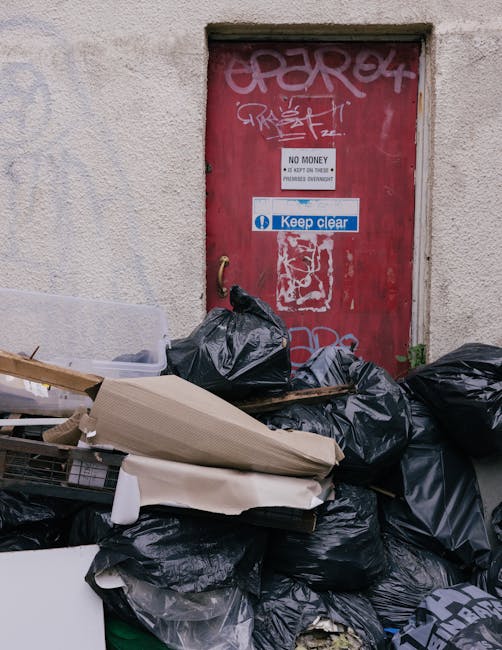
Bulky waste is more than an inconvenience. It takes up valuable space, can block hallways or gardens, and, if left outside the wrong way, may lead to missed collections or complaints from neighbours. In a place like BR5, where homes often have limited storage and narrow access, a large item can become a proper nuisance pretty quickly.
There's also the legal and practical side. Different collection routes come with different rules: what can be collected, how the items need to be presented, whether white goods need doors removed, and whether certain items need special handling. Ignore that, and you may end up paying twice or waiting longer than you expected. Nobody wants a sofa sitting by the gate for three days in the rain. It just gets soggy, heavy, and somehow even less appealing.
Using the right disposal route matters because it affects:
- how quickly items are removed
- how much you pay
- what happens to reusable or recyclable materials
- whether you stay within local rules
- how much lifting, sorting, and stress you have to deal with
There's also an environmental angle. Items that are separated properly are more likely to be reused, recycled, or handled responsibly. That matters whether you're clearing a single room or tidying up after a move, renovation, or tenancy change. A bit of planning goes a long way.
How Handling bulky waste in BR5: council rules and fees Works
At a basic level, bulky waste collection is the removal of large household items that are too big for standard bins. That might include furniture, mattresses, appliances, and some mixed household items. But the detail matters. One service may accept a fridge, another may not. One may collect from the front boundary only, while another may carry items from inside the property. Small differences, big impact.
For local residents, the process often falls into one of three routes:
- Council bulky waste collection - usually a scheduled service with a set list of accepted items, collection rules, and fees.
- Private bulky waste removal - a paid service that can often collect from inside the property, handle mixed loads, and work around access issues.
- Reuse or donation first - the item may still be usable, so passing it on could be the smartest option, especially for furniture in decent condition.
Council services are often best suited to smaller, straightforward jobs where the item list fits the rules. Private removal is usually more flexible, which can be useful if you have several bulky items, awkward stairs, or a deadline to meet. The right answer depends on your item, your budget, and how much effort you want to spend carrying things downstairs at 8am on a wet Tuesday. Lets face it, that's never anyone's favourite plan.
Fees can vary based on the collection type, the number of items, and whether anything needs specialist handling. Councils commonly structure charges by item count or collection band, while private services may price by volume, labour, access, and waste type. If you need a more tailored job, a service page such as man and van waste removal can be a useful reference point because it often suits small-to-medium bulky loads that do not justify a full clearance.
One thing people often miss: bulky waste is not just about size. Weight, material type, contamination, and dismantling all affect how it can be removed. A flat wardrobe might be fine once taken apart. A damp mattress or a broken appliance with unsafe wiring is a different matter entirely.
Key Benefits and Practical Advantages
When handled properly, bulky waste removal does more than make space. It removes friction from everyday life. That sounds a bit dramatic, but if you've ever had a hallway packed with old furniture for a week, you know exactly what I mean.
Here are the main advantages:
- More usable space - rooms, sheds, and lofts feel workable again.
- Less lifting and risk - heavy items can be awkward, and a bad lift can easily lead to a back strain.
- Cleaner presentation - especially useful before a move, sale, rental inspection, or renovation.
- Better compliance - you avoid putting the wrong items out in the wrong way.
- Potential reuse - some items can be donated, repaired, or recycled instead of simply binned.
- Lower stress - a tidy plan beats last-minute panic every time.
There's also a financial benefit that people overlook. A well-matched service can save money by reducing repeat trips, extra labour, or accidental fly-tipping fines. Choosing the cheapest option is not always the cheapest in the end. A sofa that turns into a two-man carry down a tight staircase is a good example. It looks simple until it isn't.
Expert summary: The most efficient bulky waste solution is usually the one that fits the item type, access conditions, and collection rules first time. That avoids delays, rebooking, and avoidable handling risks.
Who This Is For and When It Makes Sense
This guide is useful if you're dealing with any of the following:
- a house move and a few pieces of unwanted furniture
- a tenancy clear-out with bulky leftovers
- an office, garage, or loft tidy-up
- broken white goods or mixed household items
- post-renovation clutter that won't fit in normal bins
- items that are too large, too heavy, or too awkward to move alone
It also makes sense if you're trying to decide whether to use the council or book a private collection. Some people only need one mattress taken away. Others are looking at a worn-out wardrobe, an old washing machine, and a heap of packaging from a recent refurb. Different jobs, different answers.
A practical rule of thumb: if the item is large but simple, council collection may be enough. If the load is mixed, urgent, upstairs, or spread across several rooms, a private service may be more convenient. If you've got time and the item is reusable, then donation or resale might be the right first step. No shame in checking all three. That's just sensible.
It may also help to compare waste handling with other property clearance needs. For example, if you're clearing out the whole place rather than just removing a couple of items, a broader office clearance or domestic clearance approach can be more efficient than a piecemeal booking. Different property, same principle: match the service to the job.
Step-by-Step Guidance
Here's a straightforward way to handle bulky waste in BR5 without turning it into a half-finished weekend project.
1. List everything you need removed
Start by writing down each item. Include size, approximate weight, and condition. A "small wardrobe" sounds easy until you remember it has mirrored doors, a wobble, and a broken hinge. Be specific.
2. Separate reusable items from true waste
Ask yourself whether anything could be donated, sold, or reused. Furniture in decent condition, functional appliances, and boxed items may have a second life. That can reduce your waste load and, sometimes, your cost.
3. Check access
Look at stairs, narrow hallways, driveway access, parking, and whether the item will need dismantling. In BR5 properties, access can be the detail that makes or breaks the removal plan. A simple lift to the van may become a two-person carry from an upstairs bedroom. It happens a lot.
4. Compare the council route with a private option
Check what the local council accepts, how many items fit into a booking, and whether there are any exclusions. Then compare that with a private clearance service that can handle mixed items, heavy lifting, or faster turnaround.
5. Confirm what fees include
Does the price cover labour, loading, disposal, and VAT if applicable? Are there surcharges for extra items, difficult access, or appliance disconnection? Getting this clear up front prevents the classic "oh, that's extra" moment. Nobody enjoys that conversation.
6. Prepare the items properly
Move bulky items to the agreed collection point if required, or clear a safe route if collection is from inside. If instructed, remove loose contents, glass shelves, or detachable parts. If you're unsure, ask before moving anything heavy on your own.
7. Keep the paperwork or confirmation
Whether you book via the council or a private provider, keep the confirmation details. It helps if timings change, access becomes tricky, or you need to check exactly what was included.
8. Follow up if the load changes
If you add items after booking, say so early. A small update can stop a big headache later. The van turns up, everyone is ready, and then there's suddenly a mattress that "just appeared" from the spare room. Better to mention it beforehand.
Expert Tips for Better Results
A few small habits can make a bulky waste job smoother and, often, cheaper.
- Measure first. Tape measure in hand, check door widths, stair landings, and access points before you book.
- Photograph the items. A quick picture helps avoid misunderstanding about size or condition.
- Break down what you safely can. Flat-pack furniture often becomes much easier to move once dismantled.
- Group similar items together. That makes loading faster and can simplify pricing.
- Think about timing. Early collections can be handy if parking is tighter later in the day.
- Ask about restricted items. Appliances, upholstered items, and anything containing fluids or hazardous parts may need special handling.
There's another quiet win here: being organised makes the job feel smaller. A lot smaller. If the pile is already sorted and the route is clear, the whole process is less disruptive, less noisy, and much less likely to end with scratched walls or a muttered apology halfway down the stairs.
If your bulky waste is part of a bigger home tidy-up, it may be worth looking at related services such as rubbish clearance or garden clearance for the smaller waste streams around the main job. That keeps the whole property clean-up in one coherent plan rather than four separate headaches.
Common Mistakes to Avoid
Most problems with bulky waste are avoidable. They happen because people assume the rules are looser than they are, or because they leave the booking until the last minute.
- Leaving items outside too early - this can create visual clutter, weather damage, or collection issues.
- Not checking what the service accepts - one restricted item can affect the whole booking.
- Forgetting about access constraints - parking and stairways matter more than people think.
- Mixing in hazardous materials - paints, chemicals, gas bottles, or sharp waste may require separate handling.
- Underestimating weight - what looks manageable often isn't, especially when wet or bulky.
- Assuming "one price fits all" - fees can vary based on item count, labour, and difficulty.
And one more, because it comes up often: don't rely on a vague verbal agreement. If someone says they'll take "a few bits," ask exactly what that means. Three items? Five? A mattress plus a wardrobe? Tiny details, big consequences. A little clarity saves a lot of back-and-forth.
Tools, Resources and Recommendations
You do not need specialist gear for every job, but a few simple tools can make bulky waste handling far safer and easier.
- Tape measure - for doors, hallways, and the item itself.
- Work gloves - especially useful for rough timber, metal edges, or broken furniture.
- Furniture straps or lifting aids - helpful for awkward items if you are moving them yourself.
- Screwdriver set or Allen keys - useful for dismantling flat-pack furniture.
- Protective sheets or old blankets - to prevent damage on stairs or floors.
- Labels or tape - to mark which items are going, staying, or being donated.
For many households, the best "resource" is not a tool at all but a clear plan. A checklist, a photo on your phone, and a quick decision about reuse versus disposal can save more time than an extra gadget ever will.
If the job extends beyond one bulky item, it may be worth reviewing service pages that deal with larger household clear-outs, such as property clearance. That is especially useful if you are dealing with move-outs, probate clearances, or end-of-tenancy work where the waste pile seems to breed overnight.
Law, Compliance, Standards, or Best Practice
When dealing with bulky waste, the safest approach is to follow the collection rules provided by the relevant service and to use a licensed, responsible disposal route for anything that is not going through the council. That sounds obvious, but it matters a lot. Fly-tipping is a real risk when waste is handed to the wrong operator or left to "someone who knows a guy." Not worth it.
Best practice usually means:
- checking the accepted item list before booking
- separating hazardous or restricted materials
- avoiding overfilling collections beyond agreed limits
- making sure items are ready for safe loading
- using proper documentation or confirmation where provided
Special care is needed with electrical items, fridges and freezers, upholstered furniture, and anything that may contain sharp components or fluids. Some items can be collected only under certain conditions. Others may need separate treatment. If you are unsure, treat uncertainty as a signal to ask, not to guess.
There is also a practical duty of care angle for households and businesses alike: once waste leaves your property, you want confidence that it is being handled correctly. That means choosing a service with clear procedures, transparent pricing, and a sensible approach to sorting. Not flashy. Just reliable.
Options, Methods, or Comparison Table
If you are deciding between disposal methods, this side-by-side view can help. The "best" route depends on the item, the deadline, and how much lifting you want to do yourself.
| Method | Best for | Typical advantages | Watch-outs |
|---|---|---|---|
| Council bulky waste collection | Simple household items in limited quantities | Clear local process, suitable for straightforward collections | Restrictions, set schedules, and item limits |
| Private bulky waste removal | Mixed loads, awkward access, urgent jobs | More flexible, often faster, can include labour | Pricing varies by load and access |
| Reuse or donation | Usable furniture or working appliances | Lower waste, possible cost savings, good environmental outcome | Items must be in decent condition and accepted by the recipient |
| Self-haul to a waste facility | People with transport and time | Direct control over timing and sorting | Requires a suitable vehicle and loading effort |
In real life, the best choice is often a mix. One wardrobe may go for donation, the broken mattress may be collected, and the rest may be bundled into a single removal. That mix-and-match approach is common, and honestly, it's usually the smartest way to avoid paying for empty van space or multiple separate pickups.
Case Study or Real-World Example
Here's a simple example from a typical BR5 household situation.
A family clears out a spare bedroom before a new baby arrives. They have an old divan base, a mattress, two bedside tables, and a boxed-up chair that never quite found a home. The mattress is no longer usable, one table is broken, but the chair is actually fine. At first, they plan to book the council service for everything. Then they check the rules and realise the collection limit and item mix make it a bit awkward.
So they split the job. The chair goes to a local reuse channel, the mattress and broken furniture are grouped for removal, and the rest of the room is dealt with at the same time as a small household tidy-up. The result? Less waste, one smoother booking, and no day spent trying to drag a heavy divan through a narrow landing at the last minute.
That sort of practical decision-making is common. The key is not perfection. It's simply choosing the route that fits the items and the access you actually have, not the access you wish you had on paper.
Practical Checklist
Use this before you book or put anything out for collection.
- List every bulky item you want removed
- Check whether any item could be reused or donated
- Measure large items and key access points
- Confirm whether the council or a private provider is the better fit
- Ask what the fee includes
- Check for restricted, hazardous, or special-handling items
- Prepare a clear path to the collection point
- Take photos of items if you need to confirm size or condition
- Keep the booking confirmation handy
- Make sure someone is available if access or parking needs managing
Quick takeaway: the easier you make the load to understand, the easier it is to remove well. Simple as that.
Conclusion
Handling bulky waste in BR5 does not have to be complicated. Once you know what counts as bulky waste, how council collections usually work, what fees can be involved, and when a private service makes more sense, the whole thing becomes much easier to manage. The trick is to match the item, the access, and the timing to the right disposal route.
Whether you are clearing one awkward item or a whole stack of old furniture, a bit of planning saves time, money, and a fair amount of frustration. And if the job is bigger than expected, that is perfectly normal. Many households discover halfway through that the "one sofa" project has become a mini clearance. Happens all the time.
If you want the simplest next step, compare your options, check what needs to go, and choose the collection method that gets the job done safely and cleanly.
Get a free quote today and see how much you can save.
Frequently Asked Questions
What counts as bulky waste in BR5?
Bulky waste usually means large household items that do not fit in normal bins. This often includes sofas, mattresses, wardrobes, tables, and some appliances. Exact acceptance depends on the service you use.
How do council bulky waste collections usually work?
Most council services require you to book in advance, list the items, and follow specific presentation rules. They may have item limits, collection days, and restrictions on certain materials.
Are council bulky waste fees fixed?
Not always. Fees often depend on the number of items, the type of item, and the council's current charge structure. It is best to check the current terms before booking.
Can I put bulky waste out on the pavement before collection?
Usually only if the service specifically tells you to do so and only at the correct time. Leaving items out too early can lead to complaints, damage, or missed collection.
What if my item is too heavy to move alone?
That is where a private removal service can be helpful, especially if lifting, stairs, or awkward access are involved. Never risk injury just to save a bit of time.
Do I need to dismantle furniture first?
Sometimes it helps, sometimes it is not necessary. Dismantling can make collection easier and may reduce the risk of damage, but always check whether the service prefers items left intact.
Can I mix furniture and appliances in one collection?
Often yes, but the rules vary. Some services accept mixed loads, while others treat appliances separately or have restrictions on certain electrical items.
What happens if I miss the collection time?
If the item is not presented correctly or the team cannot access it, the collection may be missed or rescheduled. Keep the booking confirmation and contact the service as soon as possible.
Is it better to book a council collection or a private one?
That depends on your needs. Council collections can suit simple, limited jobs. Private removal is often better for mixed loads, tight deadlines, or awkward access.
Can bulky waste be reused instead of thrown away?
Yes, in many cases. Furniture, appliances, and other usable items may be donated, sold, or passed on if they are in decent condition and safe to use.
Are there items I should never put in bulky waste?
Hazardous materials, chemicals, gas cylinders, and some items with special handling requirements should not be included unless the service clearly allows them. When in doubt, ask first.
What is the most common mistake people make?
The biggest mistake is assuming the collection will be more flexible than it is. A quick check of item rules, access, and fees usually prevents most problems.